











A care home manager’s guide to aromatherapy
- Categories: Care Activities, Ebooks, Health & Wellbeing

Joe Webber
Share this article
Download your free ebook!
Don’t forget to grab your copy of our free Care Home Manager’s Guide to Aromatherapy ebook…
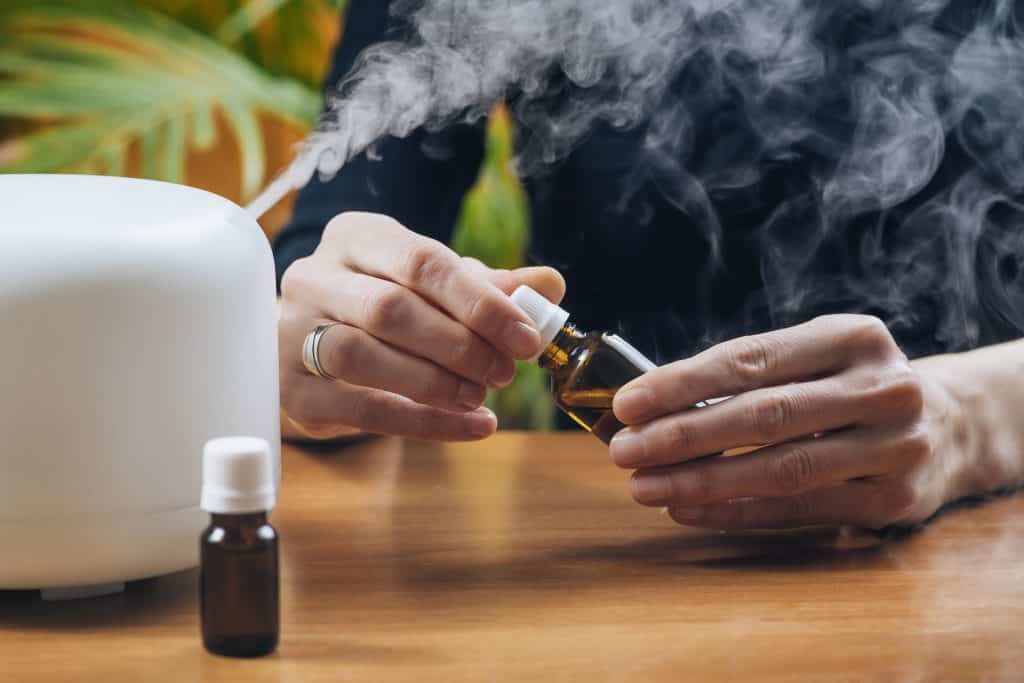
Natural ingredients have been used for their healing properties for thousands of years with evidence of distillation apparatus going back to ancient Egypt. The term ‘aromatherapy’, which describes the modern practice of using aromatic materials to increase physical and mental wellbeing, was coined in 1937 by the French perfumer and chemist Rene-Maurice Gattefosse after discovering he could treat severe burn wounds on his hands with lavender oil. The benefits of this complementary therapy are becoming increasingly recognised at a mainstream level.
In recent years, it’s been introduced into residential care homes to support individuals with long-lasting conditions, including arthritis, stress, circulatory and respiratory problems. Small studies have shown that people with Alzheimer’s or dementia have also been able to find some benefit from aromatherapy, by increasing sleep time and reducing agitation, excessive movement and wandering. This is due to the olfactory nerve in the nose being triggered and sending signals to the parts of the brain that control emotions, mood, and memory. However, studies on a large scale have yet to take place.
What is aromatherapy?
Aromatherapy is a complementary therapy, meaning it should be used alongside other forms of conventional treatment to maximise results. By using different natural plant, tree, herb and flower extracts in the form of essential oils, it can help relieve pain, anxiety, depression and improve mood, sleep and circulation.
Typically, the oils take effect by being smelled or breathed, either through oil burners or applying the scent to a bath or a pillow, or absorbed through the skin by massaging a cream or lotion. There are several common conditions that prevent people from undergoing this therapy which will need to be checked in advance with the therapist.
Getting started with aromatherapy
Most aromatherapists will have some type of qualification, but no certificate or licence is required to practice aromatherapy. However, there are aromatherapists who specialise in working with elderly people or in care settings, and who are sensitive to different medical conditions or capacities. After all, it’s likely this will be a new and unusual experience for your residents and they might need extra guidance to assist them through the therapy.
If you would like further reassurance, you can look for aromatherapists that are members of different respected professional bodies such as the Aromatherapy Council and International Federation of Professional Aromatherapists, which adhere to certain regulations and standards.
There are around ninety types of essential oils which can be used through diffusers, inhalers, bathing salts, body oils, creams, lotions, facial steamers and hot and cold compress to name a few. Some popular essential oils include:
- Chamomile: improves mood and helps sleep and relaxation.
- Jasmine: helps with depression, has antiseptic and healing properties.
- Lavender: relieves stress and itchiness, helps treat burns and wounds.
- Lemon: improves immune system, digestion, mood and headaches.
- Peppermint: boosts energy, relieves nausea, headaches and digestion.
- Rose: improves mood and reduces anxiety.
- Tea Tree: fights infections and enhances immune system.
- Ylang-Ylang: treats headaches, nausea and skin conditions.
Aromatherapy for elderly people in principle isn’t too different from other age groups but there are several things to consider first. As some essential oils may interact with medications, it’s always a good idea to check with a doctor before starting the therapy to check if there might be any obvious implications of combining the two. As this is a complementary therapy, there shouldn’t be any contradiction with the main contemporary treatment.
The therapy will be less intense than normal, with only half the recommended percentage of essential oil for an adult being used in most cases. And because skin thins with age and is prone to tearing, the massaging of lotion, cream and topical application onto the body will be gentler. For individuals with dementia, a person-centred approach must be undertaken to consider whether they are comfortable with being touched or put in a new, potentially stressful scenario.
Benefits of aromatherapy
The recorded benefits for aromatherapy are vast, with each essential oil providing unique and versatile properties. For example, peppermint, tea tree and eucalyptus can alleviate sinuses, flu and cold symptoms, and coughs due to their anti-viral, anti-bacterial and decongestant qualities. Citrus oils, like orange, lemon, grapefruit and bergamot have natural anti-depressant properties. Lavender can enhance memory performance and improves overall mood, making it one of the most popular essential oils.
Aromatherapy may also improve digestion, treat headaches, migraines, soothe sore joints and fight against bacteria. Some oils have had positive effects on dementia patients, while others have been able to alleviate the side effects of chemotherapy and even provide extra comfort in a hospice or palliative care scenario.
For a person-centred approach to therapy, an aromatherapist will be able to recommend specific oils to complement each resident’s ongoing treatments, but it’s important to know not everybody will find benefit. Some people won’t feel anything and others may experience negative side effects which are explained later in this article.
Aromatherapy & dementia
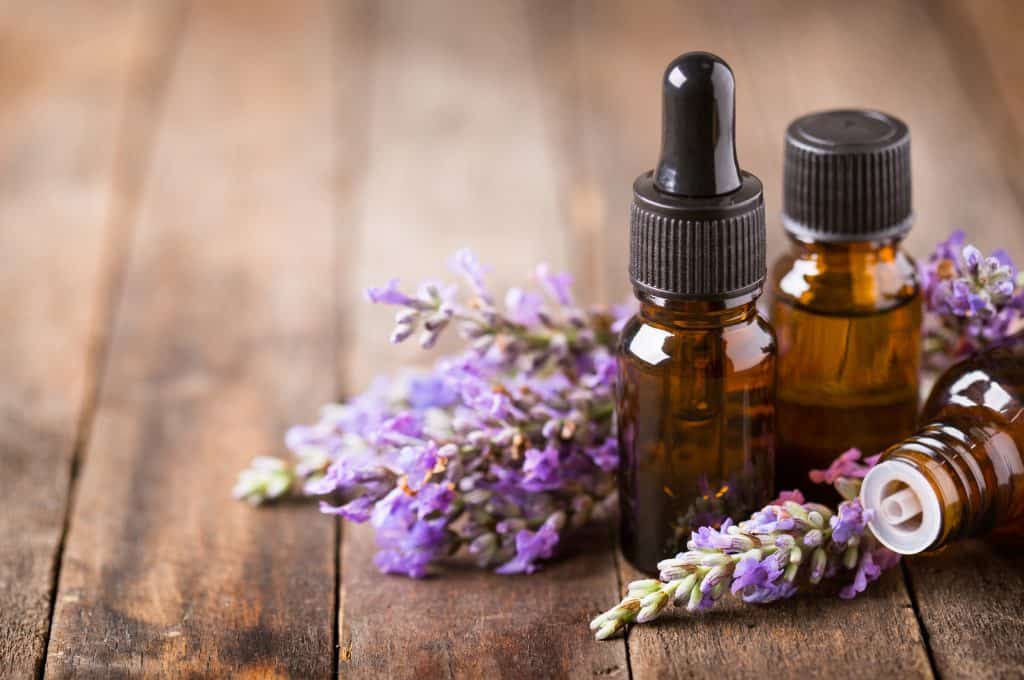
Small studies have been carried out into the effects of aromatherapy on people living with dementia. More research needs to be done but so far it’s shown some encouraging results, with potential long term benefits in relieving the symptoms of Alzheimer’s disease. Lavender oil played a huge role in the studies and is considered to be among the safest to use, helping to reduce agitation and wandering by simply dripping oil onto a pillow or massaging into the skin through a cream.
Rosemary is another essential oil that has had great results in seniors with dementia, by decreasing cortisol levels, stimulating the mind and improving memory. Although it’s fair to mention there have also been studies which didn’t find evidence that aromatherapy had any benefits for dementia patients, essential oils can target individual symptoms that are associated with the disease. Lemon balm helps to calm, reduces anxiety, agitation and depression. Peppermint reduces stress, enhances feelings of happiness and may improve memory. Ylang-ylang kills bacteria, lowers high blood pressure and helps with insomnia, but also may impair memory.
Side effects & risks
The majority of essential oils are safe but people can have different reactions to the ingredients in essential oils, or the oil itself, even though they are natural products. There are some side effects and precautions to be aware of, especially for people which take prescription medications, which could apply to many of your residents and is another reason to seek a specialist who understands the needs of your clientele.
Essential oils can have negative impacts on people with asthma, cuts, eczema, hay fever, high blood pressure, psoriasis and sensitive skin. Your aromatherapist will be aware of the risks and will use their judgement on whether it’s safe to proceed or not, but it’s important to understand in advance what may go wrong so you can perform a risk assessment or rule out anybody from receiving this therapy who is at high-risk.
One of the most important things to know is that essential oils shouldn’t be placed directly onto the skin – the aromatherapist will use a carrier oil to dilute the oils first and will perform a skin patch test before continuing to eliminate the possibility of adverse reactions, such as burning or irritation. Citrus-based essential oils may make skin more sensitive to the sun and these should not be used if the individual will be exposed to sunlight shortly after.
Swallowing essential oils may be life-threatening, as many oils are toxic to the body. If this happens, call an ambulance and request the resident is taken to your local A&E. Getting essential oils in eyes can be extremely painful and may cause lasting damage. If this happens, rinse the eyes thoroughly with water and inform their doctor so they can perform a thorough assessment. Individuals who don’t have the mental capacity to fully understand the process are at greater risk of incorrect exposure to the oil.
Should I introduce aromatherapy into my care home?
Aromatherapy in care home settings is
still relatively new and there are no guarantees that it will have any long-term
benefits, which may at first turn you off the idea of trying it. You may want
to wait until more research is done into the practice, especially in relation
to conditions like dementia, but it may be years before a large study is
carried out.
Regardless, aromatherapy is relatively
safe in low doses, especially in the presence of a trained professional and can
still be a fun, relaxing and rewarding new experience for your residents if
they are willing to give it a go. It will not negatively impact other ongoing
treatments and you may see small improvements over time. If you’re having
difficulty relieving certain issues, like stress, depression or insomnia, and are
running out of ideas, there is a good amount of evidence that essential oils
could support you. The fact that an increasing amount of medical professionals
are looking into this tells us there may be something to it.
Using CareDocs
CareDocs allows you to compose person-centred Care Plans in just three simple steps. There are dozens of sections and sub-sections to cater for all aspects of everyday care, which is where you might record your conventional treatment for a condition. Many specialist areas of care, including aromatherapy aren’t included in our Care Plan by default, but you are able to quickly create custom Care Plan sections and add dedicated areas for risk assessments and objectives. If you decide to adopt a complementary therapy at your care business, you can add it to the plan and manage each resident’s progress as you carry out your routine Care Plan updates.
After each session, to see how the therapy is affecting your residents and whether it’s achieving the desired results, you could log a range of data, such as blood pressure, pulse, pain and temperature, using digital health Charts. Our digital Body Maps give you the ability to record topical application and capture photographs, which could be useful if a resident is having a massage to treat a wounded area.
Alternatively, you could create a custom Daily Note event for aromatherapy and log the results of the session as a standalone activity, as well as your residents’ emotions and any additional information. Creating custom Daily Notes events is simple and they can also be used on mobile devices for point of care recording.
For more information about how CareDocs can support person-centred care at your business, get in touch today to learn more. Call us on 0330 056 3333 or email sales@caredocs.co.uk.
If you’re an existing customer and would like assistance using the features mentioned above, please contact support@caredocs.co.uk.
Download your free ebook!
Don’t forget to grab your copy of our free Care Home Manager’s Guide to Aromatherapy ebook…
Share this article
Author
Joe Webber
Search
Recent articles
- CareDocs Partners with the Professional Record Standards Body (PRSB) to Support Care Standards Fit for the Future of Digital Care January 30, 2024
- CareDocs Joins the Care Software Providers Association (CASPA), an Independent, Not for Profit Association, Representing Software in the Care Industry January 19, 2024
- CareDocs partners with Bristol Waste to tackle digital poverty January 10, 2024
Recent comments
- 1.2. Assess use of care plans in applying person-centered values - CIPD Writers on What is person centred care planning and why is it important?
- Call tracking tips for care home marketers - Chester Times on The importance of effective communication in care
- Why is effective communication important for positive relationships with individuals in care? - Building-Craft on The importance of effective communication in care