











The pros and cons of living in a care home, at home or with family
- Categories: Best Practice & Advice

Joe Webber
Share this article
Pros & cons of living in a care home
At CareDocs, we aim to make sure that all patients who are entitled to receive care, have a clear and thorough care plan laid out. However, it’s important that the patient who is receiving this care is living in the most suitable environment, whether this is living in a care home, living at home, or living with family. It can be difficult to decide which is the most suitable option, as each provide unique positives and negatives. However, it is paramount that the correct option is chosen as the resident must be safe and receive the appropriate person-centred care. Below we have discussed the advantages and disadvantages of each of these care options, to help show the key differences these types of care offer.
What is a care home?
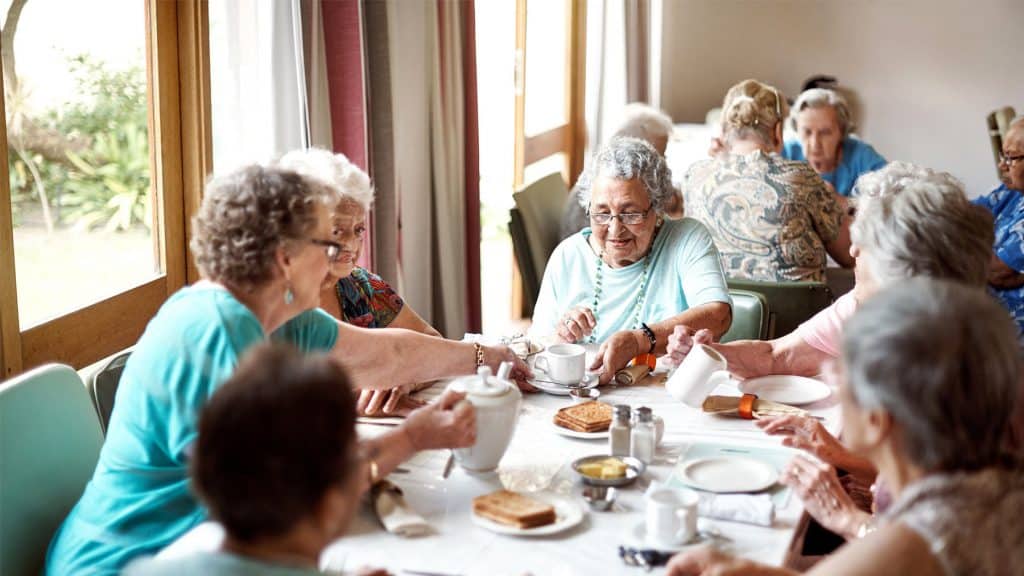
A care home is when an elderly person permanently lives in a care establishment as they are unable to look after themselves. The residents of a care home receive accommodation, care and meals, and have a room to themselves and family and friends are allowed to come and visit them.
Advantages of living in a care home
- Fully trained and qualified staff caring 24/7 – This is viewed as a massive pull factor in choosing a care home as having care available all hours of the day helps make sure the resident is safe and invulnerable.
- Residents will never be lonely – Living in a home with other people of a similar age allows friendships to be made. Most care homes also run social activities for residents, allowing them to socialise and enjoy the time spent living in a care home.
- Meals provided – The resident won’t have to deal with the stress or responsibility of having to cook their own meals. All meals are provided for the residents, with all nutritional needs met, making sure that a healthy lifestyle is carried out by all residents.
Disadvantages of living in a care home
- Sentimental value of leaving their home – Sometimes the resident may not want to leave their home and live in a care home due to sentimental values, or because they feel like they are losing their independence. However, it’s often for the best that they move to a care home, and to make it as smooth a transition as possible, make sure that the resident takes with them their belongings, familiar items and has access to the things they enjoy doing, such as watching TV.
- Guilt from the family – Often when a family have to decide to put a loved one in a care home, they feel considerably guilty. However, with structured and frequent visits, planned days out with the family member and keeping in contact through video chats or email, the family can maintain a strong relationship with their family member.
What is living at home?
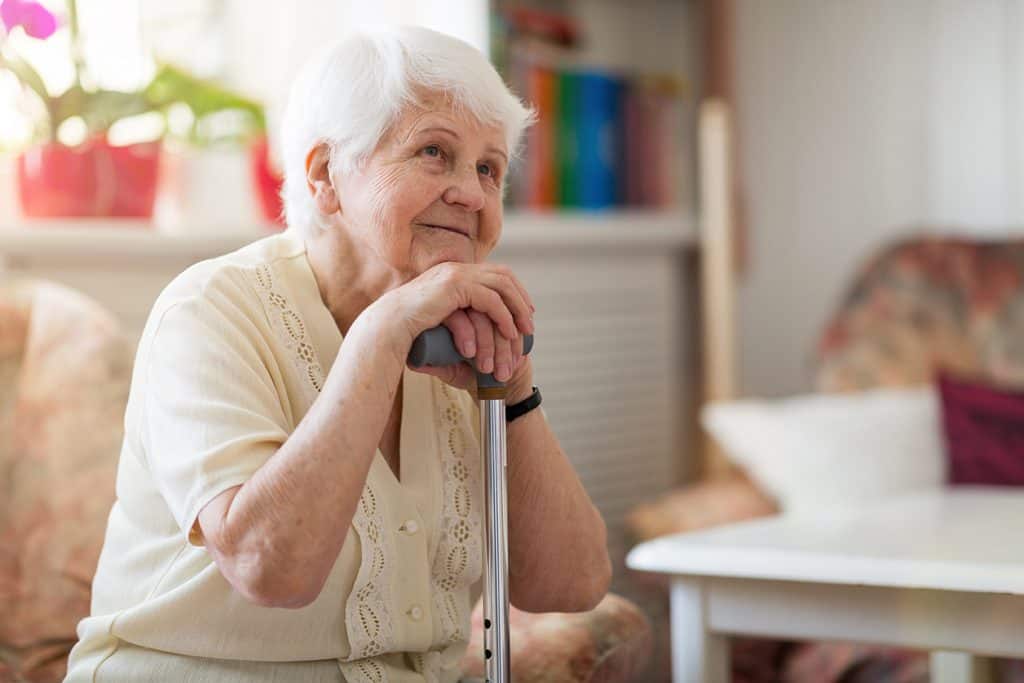
This is when the elderly member still lives in their own home, but has carers regularly visiting to provide all of the care that the patient needs. They don’t require as extensive care as people who live in a care home as they are still independent and also have freedom in general daily life.
Advantages of living at home
- Independence – For the elderly member to still be living at home, they will still feel like they are independent and not relying on anyone else.
- Stay in contact with family and friends – Living in their own home will allow the elderly to stay in touch and visit their friends and family as they have their own independence and aren’t under the regulations of a care home.
Disadvantages of living at home
- Can be lonely – An elderly member living at home can sometimes make them feel lonely as they have no company nor anyone to spend time with, especially if they live far from their family.
- Can be vulnerable – Living at home alone can make the elderly member vulnerable and at risk.
- The elderly might not feel comfortable with carers coming into their home – Having frequent visits from a carer may not relax the patient as they might not feel comfortable with the idea of having someone coming into their house.
It’s worth noting that living in a care home and living at home with a carer regularly visiting requires a care plan to be created. CareDocs can help make the process of developing an effective care plan much quicker and easier by producing a digital document that contains all of the necessary information and helping you learn the guidance process for effective care planning.
What is living with family?
This is when the elderly member permanently lives with their family.
Advantages of living with family
- Not alone – The elderly member always has company and will rarely get lonely.
- Help with housework – It depends on the health of the elderly family member, but if they were capable of helping with housework, it could take some stress off the family and provide a routine and activity.
Disadvantages of living with family
- Less space – Someone else living in the same house takes up a considerable amount of space. It’s not just a person now living in the house; room for their bed, clothes and other possessions need to be found.
- Test relationships – Living 24/7 with family members could increase tension as the family may not be used to particular habits of the relative and cause the relationship to deteriorate.
- Family member could become a full-time carer – If the elderly member has specific needs, a member of the family risks becoming a carer for the elderly without even realising it, which could be something they might not be prepared to do.
Each type of care has advantages and disadvantages, but it’s important that the appropriate person centred care is received. A care home is often the most popular method of care as it ensures all elements of care are taken into consideration. However, before deciding which type of care you intend to use, make sure that all options are considered and valued, so that the individual receives the best care that is needed to fulfil their requirements.
If you work in a care home and would like to find out more about how the CareDocs system can benefit your business, please get in touch with a member of our friendly team today at 0330 056 3333 or email at sales@caredocs.co.uk.
Want more information on person-centred care?
Check out this free ebook:
Introduction to person-centred care
Share this article
Author
Joe Webber
Search
Recent articles
- CareDocs Partners with the Professional Record Standards Body (PRSB) to Support Care Standards Fit for the Future of Digital Care January 30, 2024
- CareDocs Joins the Care Software Providers Association (CASPA), an Independent, Not for Profit Association, Representing Software in the Care Industry January 19, 2024
- CareDocs partners with Bristol Waste to tackle digital poverty January 10, 2024
Recent comments
- 1.2. Assess use of care plans in applying person-centered values - CIPD Writers on What is person centred care planning and why is it important?
- Call tracking tips for care home marketers - Chester Times on The importance of effective communication in care
- Why is effective communication important for positive relationships with individuals in care? - Building-Craft on The importance of effective communication in care